Why Is Floor Efficiency in European Mall Entertainment Zones So Low? — Analysis from Consumer Structure and Flow Design
Maximizing floor efficiency in European mall entertainment zones is a persistent challenge for operators and developers. Despite significant investment and ever-evolving attractions, many entertainment areas underperform relative to their potential. This article explores the core reasons behind low floor efficiency in these spaces, focusing on consumer structure and flow design, and provides practical solutions to unlock higher returns.
1. Changing Consumer Structure and Its Impact
The consumer base in European shopping centers is increasingly diverse. Families, teenagers, young professionals, and tourists all frequent these spaces, each with different expectations and spending behaviors. For entertainment zones, this diversity means that a one-size-fits-all approach often leads to underutilization of space. Operators must analyze visitor profiles and tailor attractions accordingly, ensuring the mix includes family-friendly machines, skill-based games for teens, and premium experiences for adults.
2. Flow Design: The Hidden Determinant
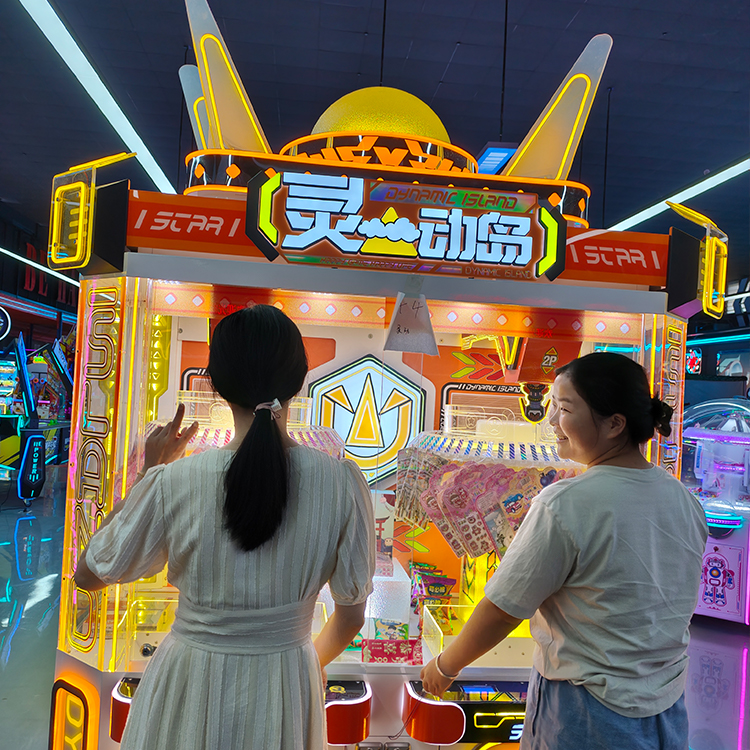
A key, yet often overlooked, factor is the design of traffic flow within entertainment areas. Poorly planned layouts can cause bottlenecks or dead zones where machines sit idle. For example, machines positioned near entrances or exits may get the most attention, while those in less visible corners see little use. Integrating coin operated skill-based non claw arcade prize redemption game machine options in high-traffic areas and employing open, circular layouts encourage movement and maximize machine exposure, directly boosting floor efficiency.
3. Leveraging Technology for Smarter Layouts
Modern mall entertainment is increasingly data-driven. Heat mapping, queue monitoring, and real-time analytics enable managers to identify which zones attract the most players and which areas need improvement. By regularly rotating attractions and using data to guide layout adjustments, operators can continually optimize for engagement. Additionally, installing coin operated skill-based arcade prize redemption for shopping mall use game machine in “hot spots” can capture more foot traffic and prolong visitor dwell time.
4. Flexible Zones and Modular Entertainment
The concept of modular zones—spaces that can be easily reconfigured for different games or events—is gaining traction. Movable partitions and plug-and-play machines allow malls to quickly adapt to seasonal trends or special promotions. This flexibility is essential for maintaining visitor interest and testing new concepts without permanent renovations. Furthermore, co-locating food and beverage outlets near entertainment equipment increases dwell time and cross-spending.
5. Enhancing User Experience for Higher Returns
Ultimately, floor efficiency depends on the experience provided. Intuitive signage, clear sightlines, and an appealing atmosphere encourage guests to explore the entire zone rather than sticking to one area. Integrating coin operated skill-based non claw prize redemption for family entertainment center game machine with LED lighting and multiplayer modes enhances the “fun factor” and keeps players engaged longer. Regular events and tournaments also help create a lively environment that draws repeat visitors.
Conclusion:
Improving floor efficiency in European mall entertainment zones requires a holistic approach—understanding who the customers are, how they move, and what truly excites them. By combining thoughtful consumer analysis with smart flow design and targeted equipment placement, operators can unlock far greater value from every square meter.
Key Words: coin operated skill-based non claw arcade prize redemption game machine, coin operated skill-based arcade prize redemption for shopping mall use game machine, coin operated skill-based non claw prize redemption for family entertainment center game machine, high floor efficiency, mall operator solutions, family entertainment, teen gamers, modular arcade setup, shopping mall ROI, game zone analytics, LED arcade machines, user experience design, visitor dwell time, foot traffic optimization, event-based promotions, equipment rotation, profit drivers, skill-based prize machines, interactive entertainment, revenue boost
READ MORE: